Essential Thai Travel Phrases For Your First Trip To Thailand

Author
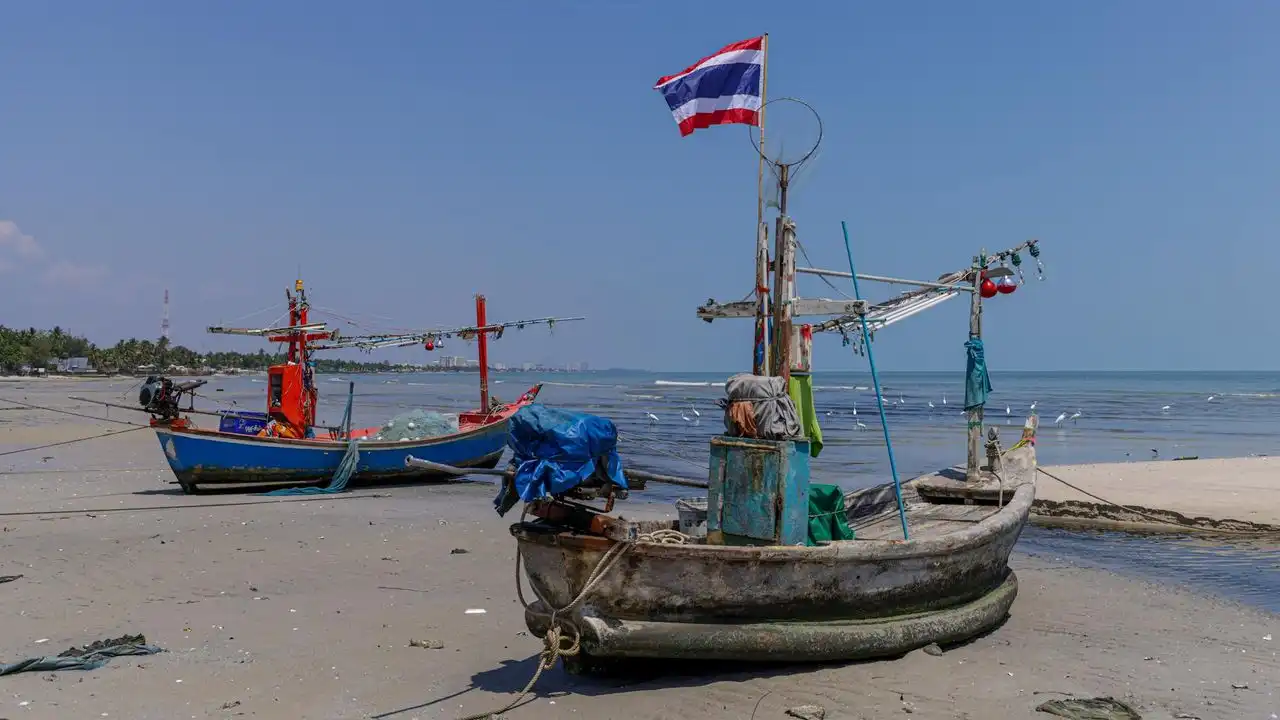
Thailand is known around the world as the “Land of Smiles.”
From the bustling streets of Bangkok to the beautiful beaches of Phuket, it’s an amazing country to visit. While you can definitely get by using English in popular tourist areas, speaking just a little bit of Thai will completely change your experience.
When locals see you trying to speak their language, that famous Thai smile gets even wider. You’ll get better service, make friends more easily, and probably even score better deals at the night markets!
Thai is a tonal language, which means the pitch of your voice changes the meaning of a word. Locals will understand what you mean based on the context.
Here’s your essential guide to Thai travel phrases for your first trip.
Table of contents:
The magic words: khrap and kha
Before we learn any specific phrases, you need to know the most important rule in the Thai language.
In Thai, we use “polite particles” at the end of our sentences. Adding these short words makes whatever you’re saying instantly polite and respectful.
Which word you use depends on your gender (the person speaking), not the person you’re talking to.
| Your gender | Polite particle | Thai script |
|---|---|---|
| Male | khrap (often pronounced “krap”) | ครับ |
| Female | kha | ค่ะ |
For the rest of this guide, whenever you speak, just remember to add khrap (if you identify as a man) or kha (if you identify as a woman) to the end of the phrase!
Basic greetings and polite phrases
These are the foundational phrases you’ll use dozens of times every single day.
Whether you’re walking into a 7-Eleven, meeting a tour guide, or passing someone in the hallway of your hotel, these phrases are essential.
สวัสดี
Sa-wat-dee is the ultimate greeting. You use it to say hello, but you also use it to say goodbye! Remember to add your polite particle (e.g., Sa-wat-dee khrap).
ขอบคุณ
ขอโทษ
You can use khor thot if you accidentally bump into someone on the Skytrain, or if you need to get a waiter’s attention.
สบายดีไหม
สบายดี
ไม่เป็นไร
Mai pen rai is practically the national motto of Thailand. It means “no problem,” “don’t worry about it,” or “you’re welcome.” If you accidentally step on someone’s toe and say khor thot (sorry), they will likely smile and reply mai pen rai.
Getting around and asking directions
Thailand is full of winding alleys (called sois) and massive markets. You’re probably going to get lost at some point!
Here are a few phrases to help you communicate with tuk-tuk drivers, taxi drivers, and locals when you need to find your way.
ห้องน้ำอยู่ที่ไหน
If you only memorize one question for your trip, make it this one! Hong nam literally means “water room” (bathroom), and yoo tee nai means “where is.”
เลี้ยวซ้าย
เลี้ยวขวา
ตรงไป
จอดที่นี่
Ordering food and eating out
Thai food is world-famous, and eating street food is a must-do experience.
However, authentic Thai food is famously spicy. If you aren’t used to eating fiery chili peppers, you definitely need to know how to order your food mild.
ไม่เผ็ด
เผ็ดนิดหน่อย
อร่อย
Telling a street food vendor that their food is a-roy (delicious) is the fastest way to make them smile. They love hearing that visitors enjoy their cooking!
เก็บตังค์
Shopping and bargaining
When you visit places like the Chatuchak Weekend Market in Bangkok or the night bazaars in Chiang Mai, bargaining is a normal part of the experience.
Keep it friendly, always smile, and use these phrases to secure a good price.
ราคาเท่าไหร่
ลดหน่อยได้ไหม
แพงไป
If something is paeng pai (too expensive), you can say it with a friendly smile. Often, the seller will immediately pull out a calculator and type in a lower number for you.
A quick note on regional dialects
While Standard Thai (the language spoken in Bangkok and taught in schools) is understood everywhere in the country, Thailand has distinct regional dialects.
If you’re traveling outside of Bangkok, dropping a local word will absolutely amaze the people living there!
- In the North (Chiang Mai, Chiang Rai): The local dialect is called Kham Mueang or Lanna. Women often use the polite particle jao (เจ้า) instead of kha.
- In the Northeast (Isaan region): The local dialect is very similar to the Lao language. Instead of Sa-wat-dee, locals often greet each other by asking Sa-bai-dee? (Are you well?).
- In the South (Phuket, Krabi): Southern Thai is spoken very fast and features a lot of shortened words. The word for delicious in the south isn’t a-roy, it’s roi (หรอย).
Putting it into practice
You don’t need to be fluent in Thai to have a spectacular vacation.
Write a few of these phrases down in your phone notes, or practice them on your flight over. Thais are incredibly welcoming when foreigners try to speak their language. Just remember your polite particles (khrap and kha) and smile warmly.